

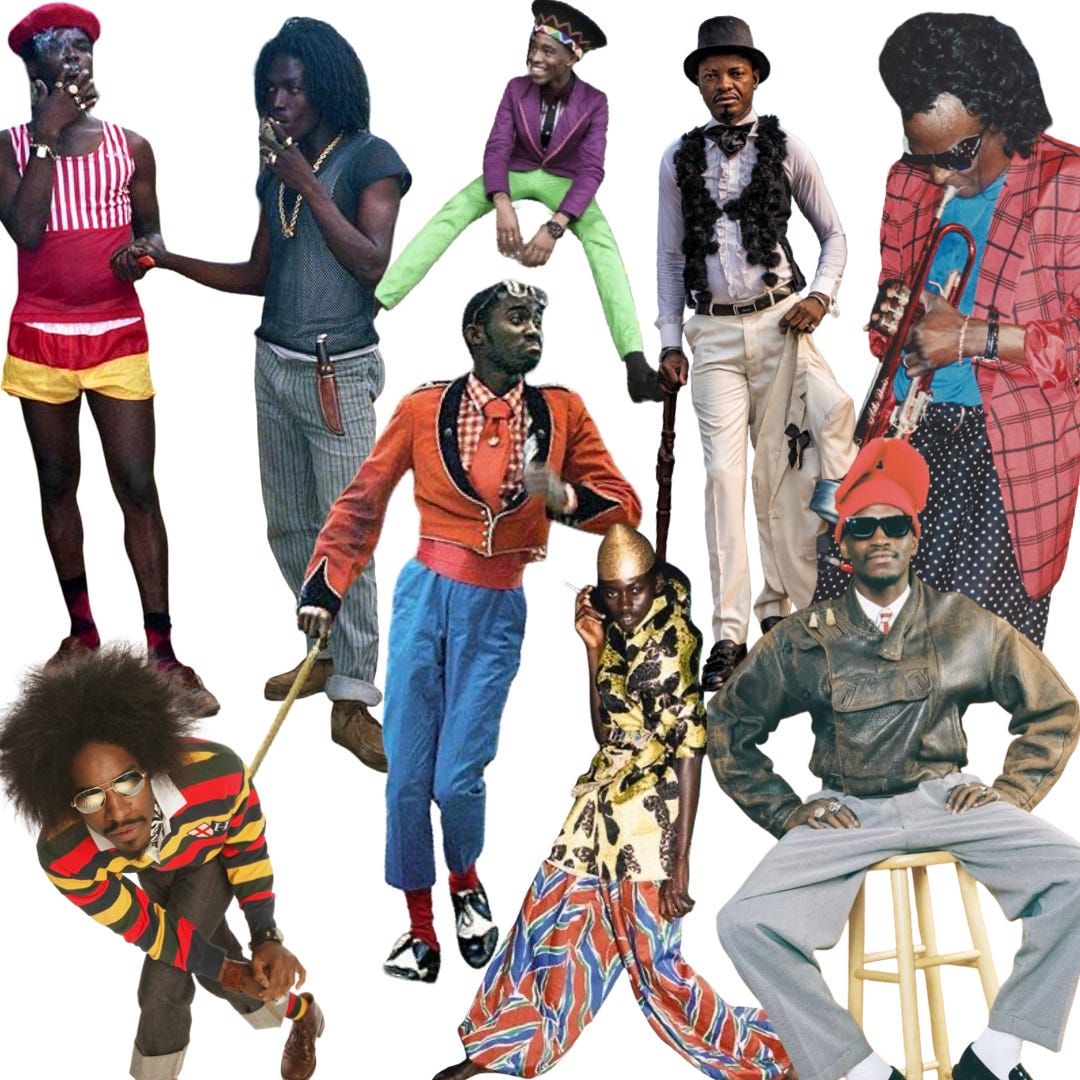
Hello! Thank you for your patience in waiting for a new post—times have been confusing and tough but also very hopeful. Still looking for a job, still open to absolutely any leads you may have. I’m also sick as a dog right now, so I’m a bit nervous about how error-riddled this post will be, especially because it’s on one of my favorite fashion topics of all time: Black menswear movements.
I am not an expert, by any means, on this topic, and this is but a cursory glance at 10+ style subcultures rooted in everything from location to music genre to specific person. I wrote a bit about sapeurs last year and was so enchanted by their style that I knew there must be dozens of movements most of us have missed out on given the fact that last year’s Black Dandy-themed Met Gala was barely a surface-level investigation.
A lot of these movements, especially those that originate in the same countries, fray at the edges and blend together, so if you’d categorize something differently than I did below, you’re probably correct (or we both are!). Each category is more amorphous than befits a listicle-style blog post, but this is basically just me trying to share search keywords and inspiration images that will then lead you on your own explorations.
If you like these posts, please let me know by liking and commenting here or on Esque’s Instagram, subbing to the Esque Substack (this) for free, getting bonus posts for five bucks a month, or for ZERO DOLLARS, share (tag me if on IG so I can see and thank you)! If you share with three friends (or enemies), you’ll automatically get a free month’s subscription to Esque’s paywalled posts. If you buy anything from an Esque link, there’s a chance I’ll earn a percentage commission at no cost to you—if you end up inspired by anything below, please send over a photo of your new togs by replying to this email and I’ll comp you a month of Esque!
If you cannot afford the $5/month, I totally understand—respond to any of my email sends and I will set you up with a $1.50 subscription or comp you, whatever you need. Esque is for everyone!
Thank you SO MUCH for your support, whatever you are able and willing to do to help is extremely valuable to me and I’m honored to be a small part of your life on the web.
Sapeurs
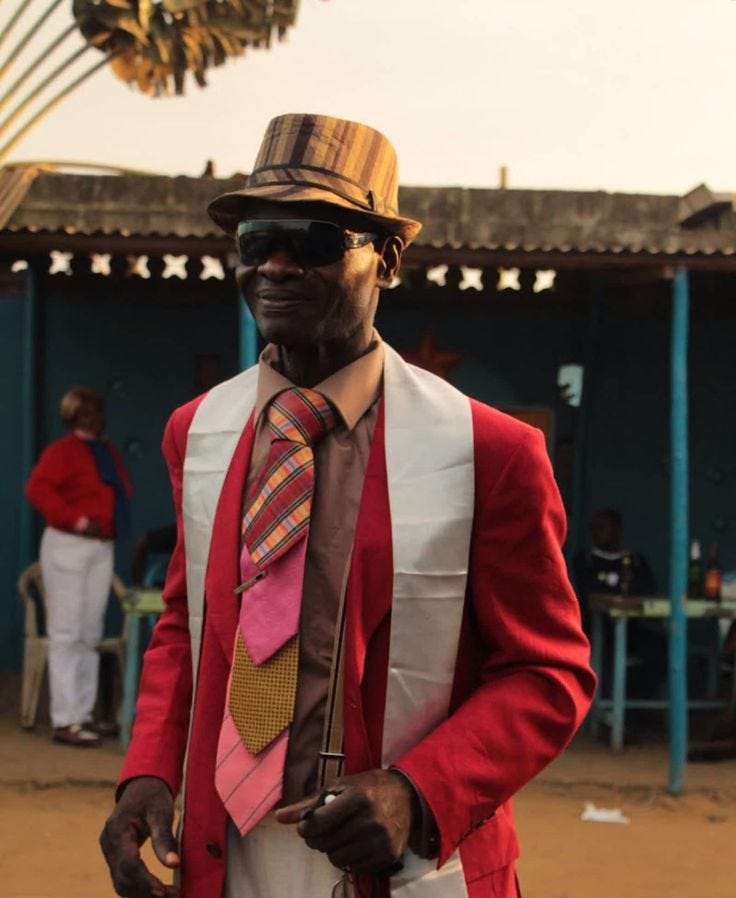
As I wrote last year, sapeurs are “people who identify with ‘La Sape,’ an abbreviation for ‘Société des Ambianceurs et des Personnes Élégantes’—essentially, an apt appropriation of colonial style into a sick version of Black Dandyism rooted in anti-colonial revolutionary culture.” La Sape originated in the Congo, where its flamboyance and lightheartedness served as a counter to the bleakness that defined periods of Congolese civil war, offering an alternative lifestyle to young men who wanted to reject violence in favor of self-expression. Of course, the fact that sapeur style is so Westernized is contentious, and from some of my reading, it seems that the fixation upon fancy dress has on occasion led to strife in and of itself, but I quite simply love the subversions and extensions of dandyism that sapeurs have concocted:
The layered ties are perhaps the greatest innovation of the sapeurs—like paint swatches juxtaposed against each other, this superfluous layering allows for so much experimental color play in an otherwise-simple outfit.
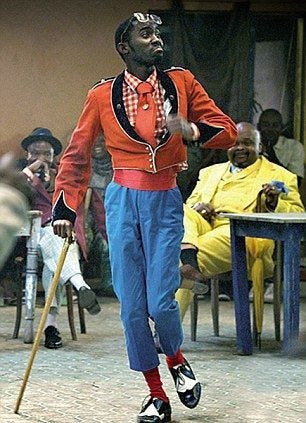
I feel like cummerbunds have been slowly rolling their way back onto red carpets on the waists of people like Colman Domingo and Jeremy Allen White, but a COLORFUL cummerbund I believe I have yet to see, at least not in a monochrome context. I also love the use of gingham, a rustic-feeling pattern, in an otherwise super city slicker look.
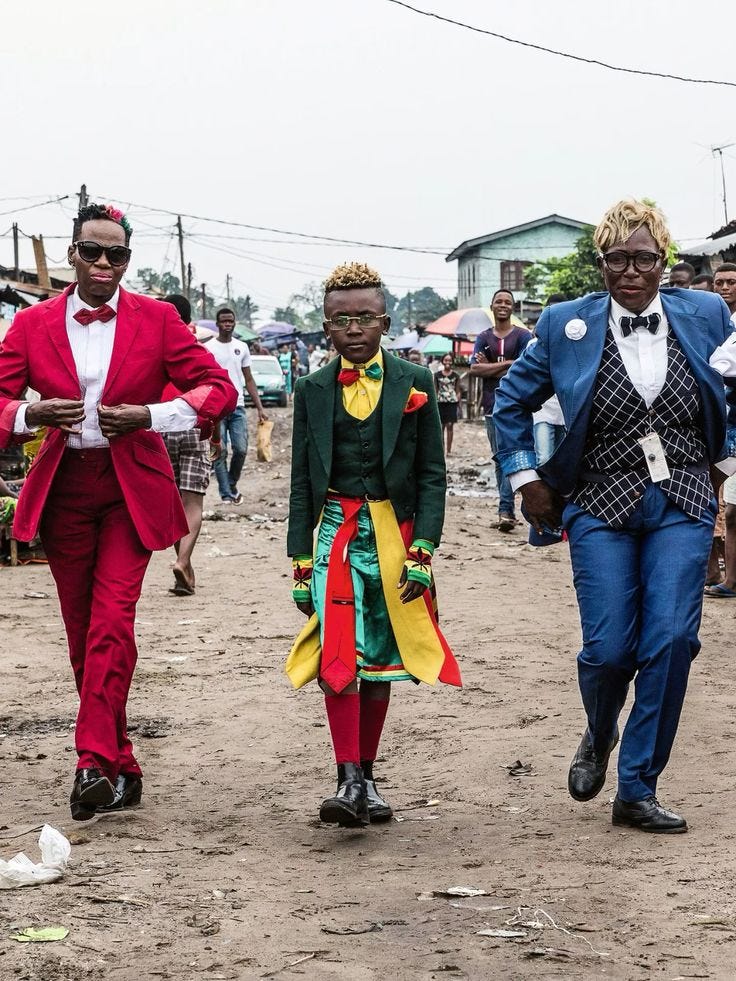
Ties used brilliantly again, this time in skirt form (with matching bowtie, handkerchief, and weed leaf hand warmers????!). There are some women who follow La Sape who call themselves “sapeuses” and have really made me feel the lack of butch dandies in culture these days.
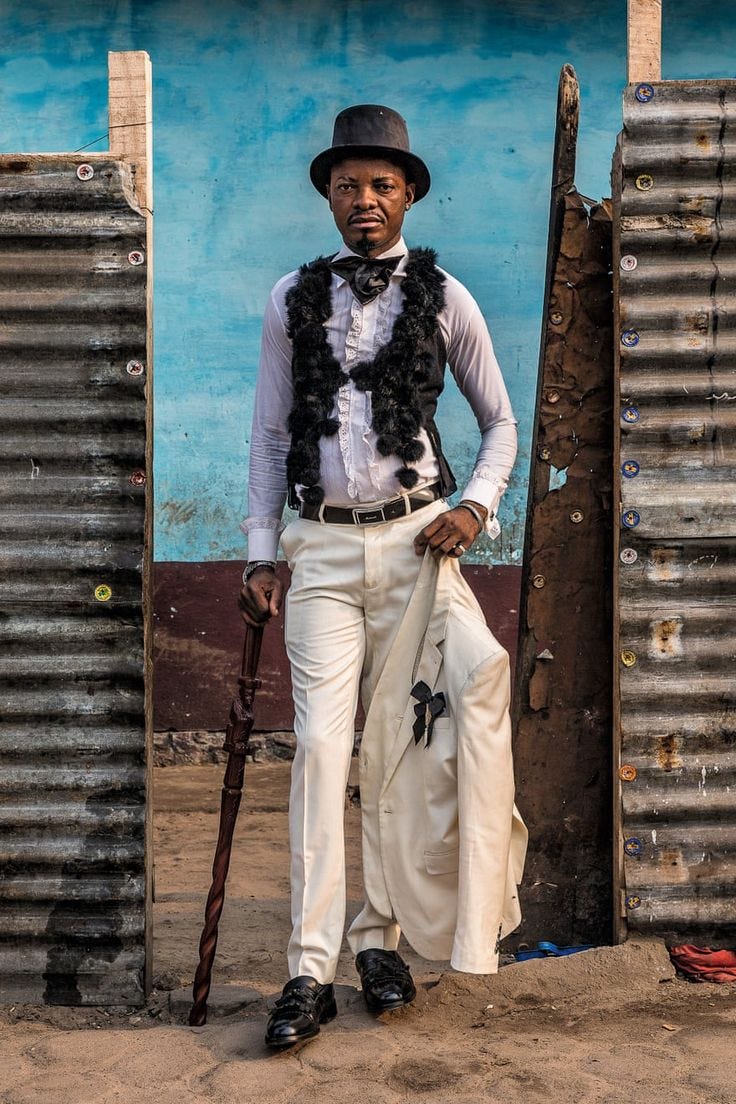
This is the most unique sapeur look I found, with a furry pom-pom vest that looks like a young crow’s moulting, an impressive, shiny cravat, and a bow accessorizing the jacket’s lapel. I think the next frontier for bows, now that the feminine angle has been thoroughly mined and exhausted of semiotic value, is for them to become masculinized, which I am here for. The twisty cane is also so sick.
Swenkas
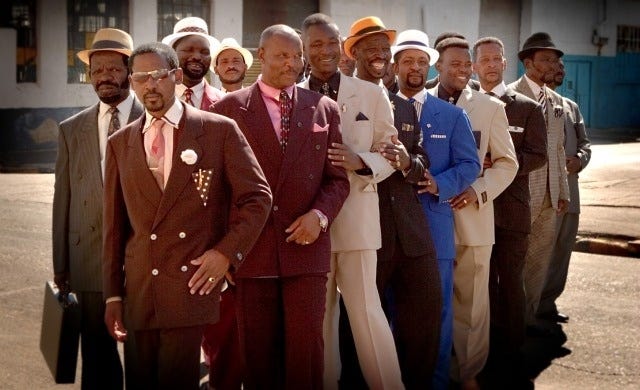
Kind of like a cousin to the sapeurs, the Swenkas are working-class Zulu men in South Africa who participate in what amount to drag king shows, part fashion display and part choreography. You’ll be delighted to know this is called “swenking” (derived from the English word “swanky”). From what I can see, Swenka style is a bit more restrained and workaday than sapeurs’, but still uses retro silhouettes and flamboyant touches like polka-dot pocket squares to set itself apart from traditionally masculine business wear.
Smarteez
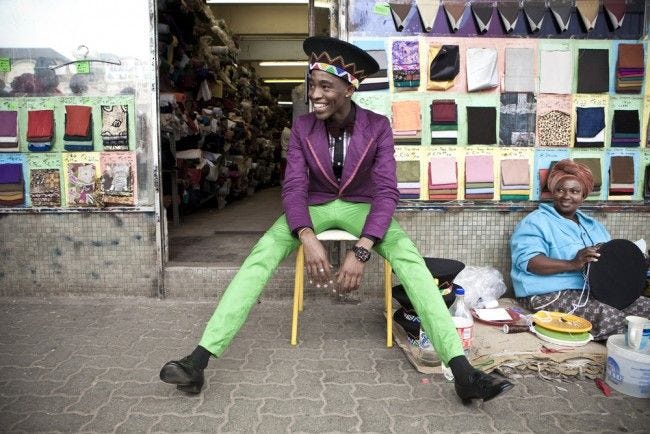
Also South African, Smarteez sport a fascinating twist on what seems like early-2010s hipster garb inflected with both punk and traditional Zulu aesthetics. Think neon skinny jeans plus an Isicholo hat.
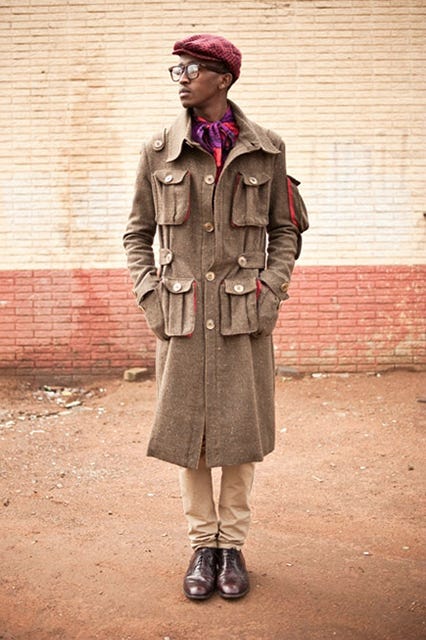
This SHOULD have done numbers on Tumblr, with its Sherlockian preppiness undone by hints of bright color.
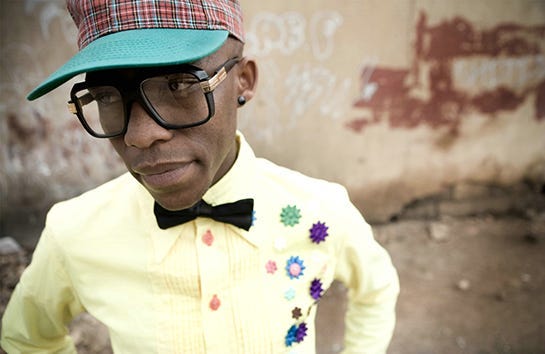
I’m obsessed with these spiky pins and I still think that clusters of buttons are going to come into vogue soon.
Reggae
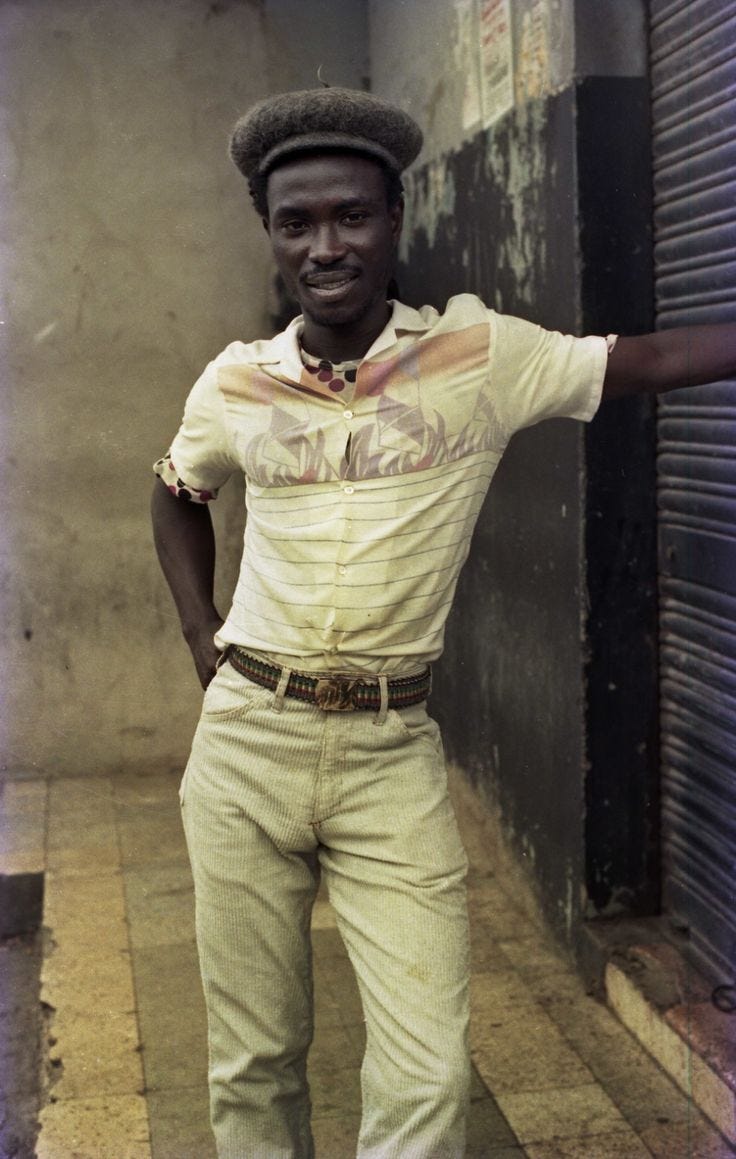
Originating in Jamaica, this Afro-Caribbean style is obviously deeply attached to Reggae music and its most famous figures. Though deeply tied to Rastafari culture and its favored red-green-yellow color palette, some of my favorite looks I spotted on reggae stars like Gregory Isaacs were extremely restrained in color palette, instead focusing on subtle textural and pattern contrasts. Corduroy is such an underused fabric and typically relegated to fall and winter, which obviously shouldn’t be the case, as demonstrated above. Layering a louder pattern under a faded button-up is also genius.
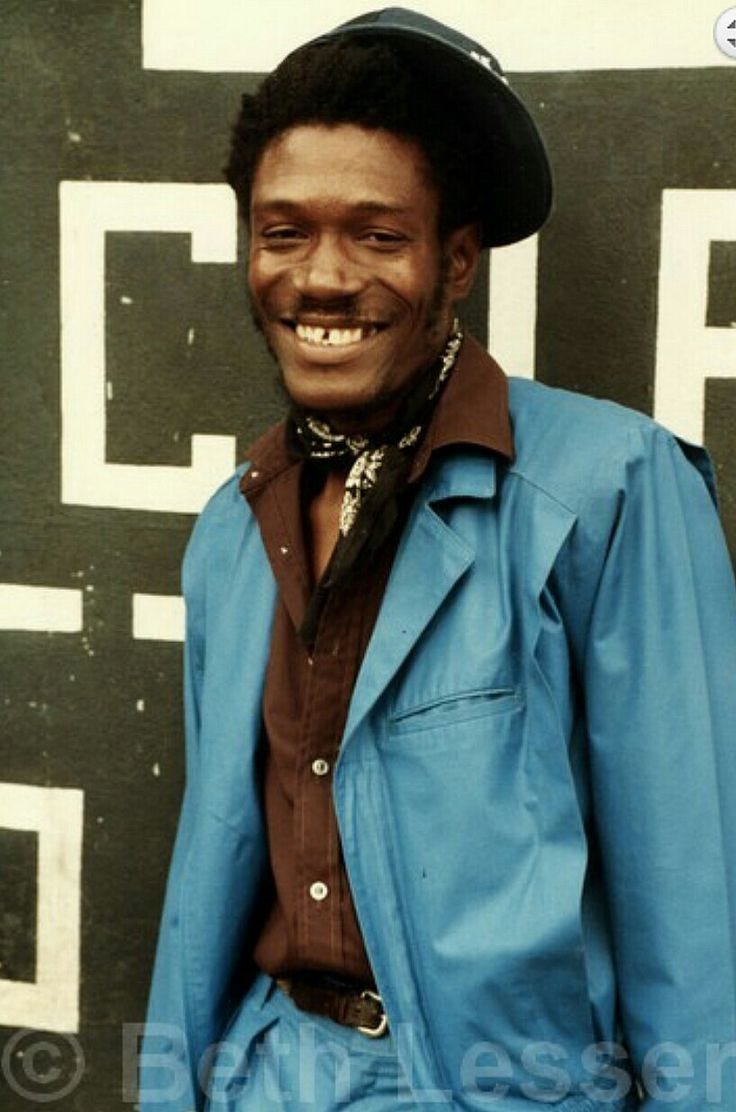
I’ve shared this image before, but I simply think it’s a masterclass: chocolate with cerulean, a neck bandana and ball cap both askew: it’s an easy outfit recipe. N.B. Beth Lesser took a ton of photos in 80s Jamaica—almost all of my favorite fit pics are hers.
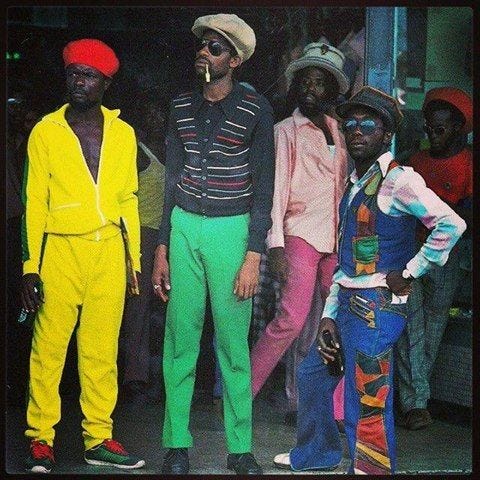
1978’s Rockers, a film about “making it in the Jamaican music industry,” delivers some of the coolest fits I’ve ever seen—it was originally intended to be a documentary, then blossomed into a feature film, and I can’t find any costume credits, so I’m thinking the film’s real-life reggae star cast wore their own, fly-ass clothing to set? I bow down before the color stories, the collars, the chapeaux.
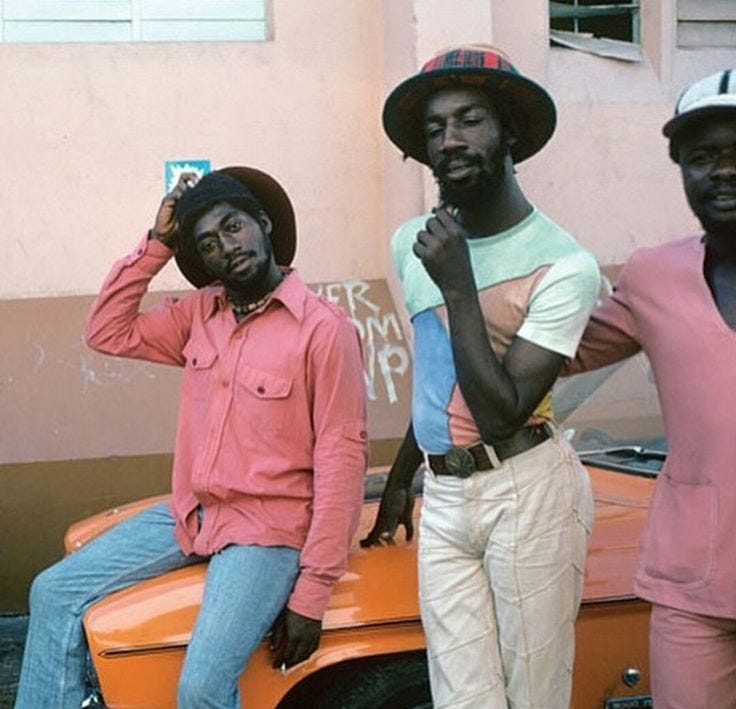
The different types of patchwork in the middle outfit above punctuated by a worn-in weed motif belt has me absolutely enthralled, as does the re-masculinization of the color pink.
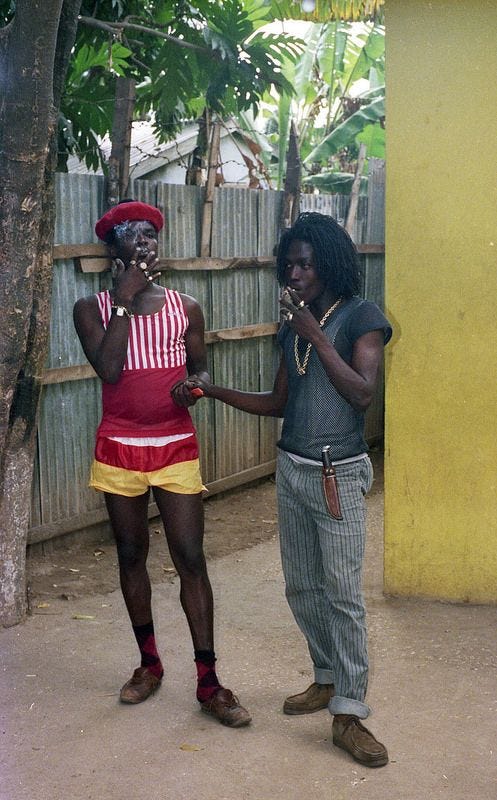
These guys both look amazing, but I would literally wear the entire outfit on the right bar for bar: mesh shirt over a white tank, textured jeans, chukkas and a knife sheath? Exaaaaactly.
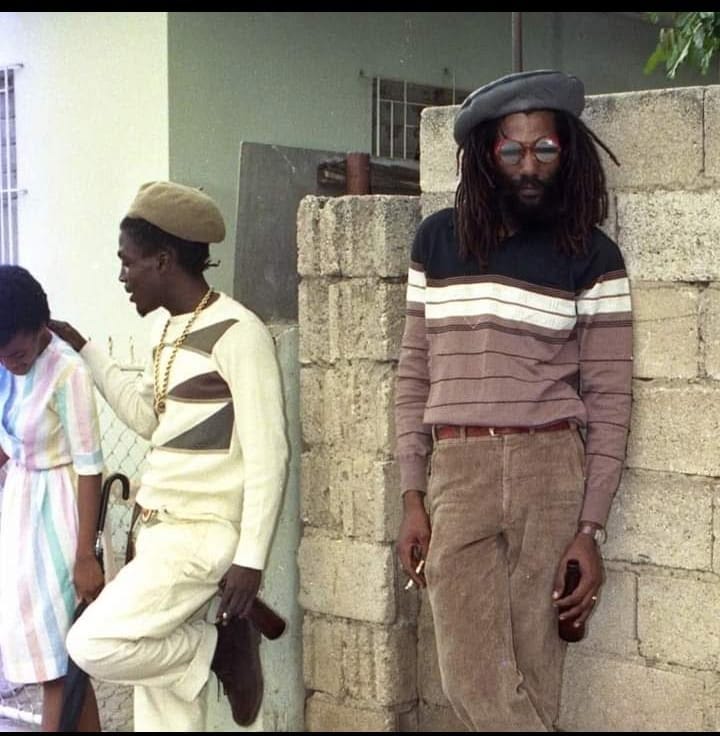
Another outfit I would wear exactly as-is. The subtle tension created with clashing shades of light brown encapsulates insouciance. Reggae style also makes a newfound, passionate case for the resurgence of berets (especially paired with sunglasses), fuck Godard!
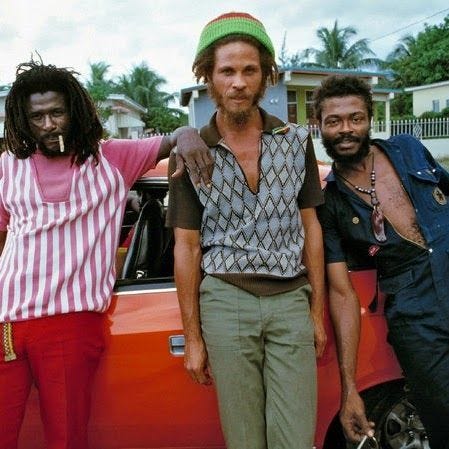
I have literally never seen a shirt like the pink one on the left—what is that neckline called? Paired with red pants is exactly correct. The other two outfits are perfect too, I have a feeling we’ll see some deep Vs on men’s runways sooner than later.
Roots Reggae
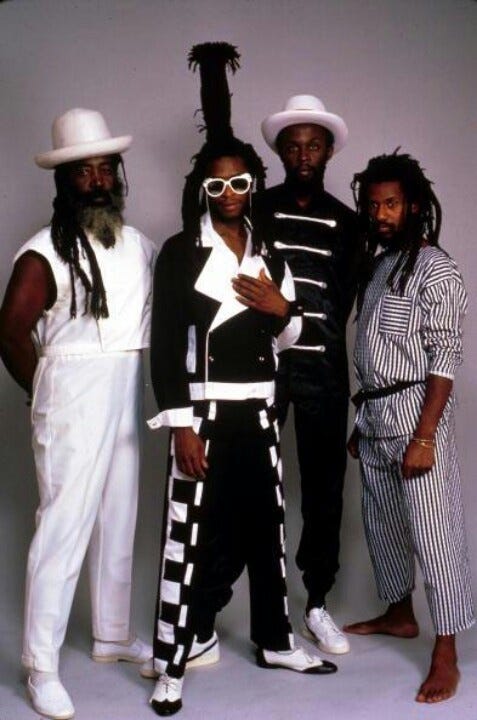
Roots Reggae is a subcategory of Reggae that focuses more on its Rastafarian roots and political themes, including a lot of African repatriation sentiment. The style ranges from Afro-futuristic, as seen on the band Steel Pulse above, to more casual, similar to the reggae stylings preceding.
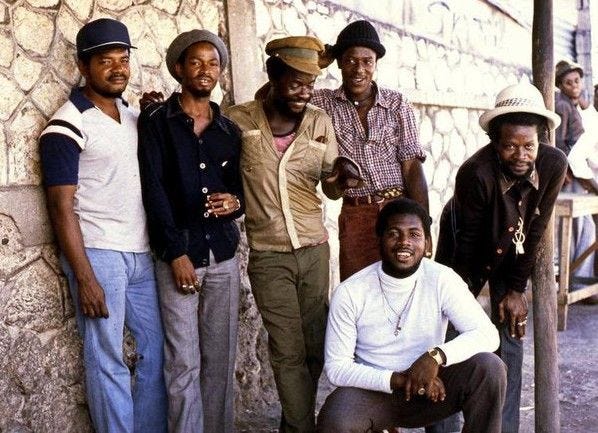
The hat game here goes insanely strong. I’m reconsidering pageboy caps for the 37th time.
Dancehall
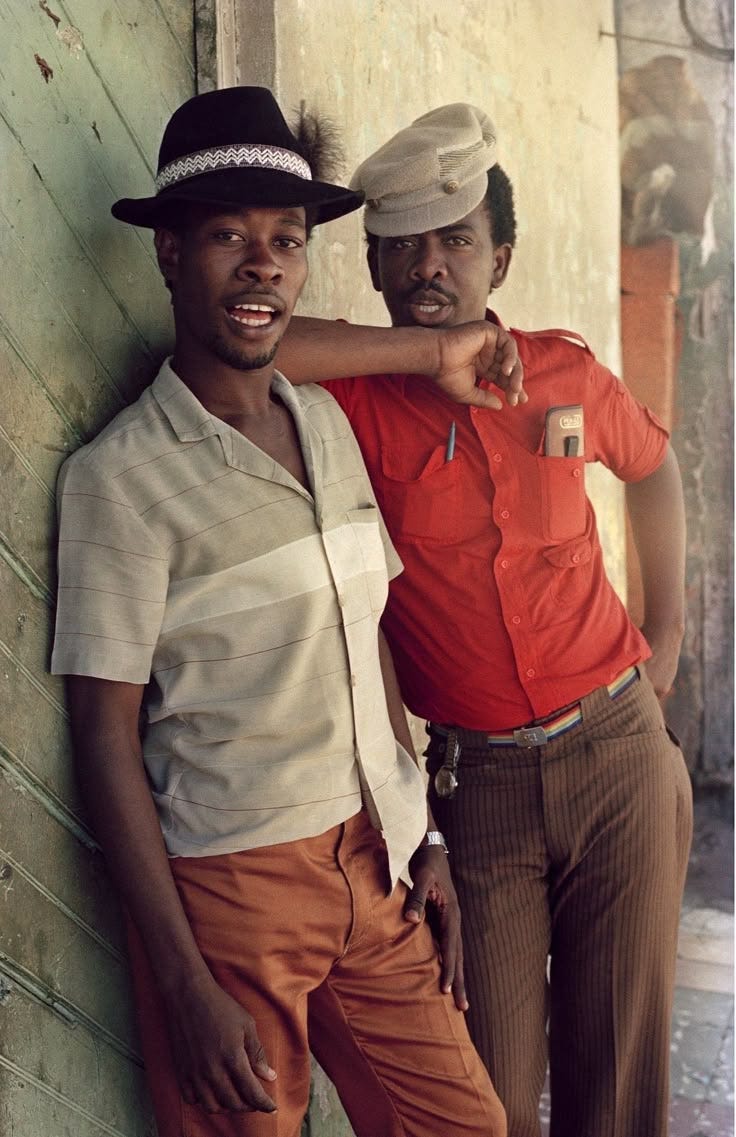
Dancehall is considered an offspring of Reggae, and its style seems defined by more subdued palettes, athletic silhouettes, and sexy, dance-able cuts—sleeker, more urban, and nightclub-ready.
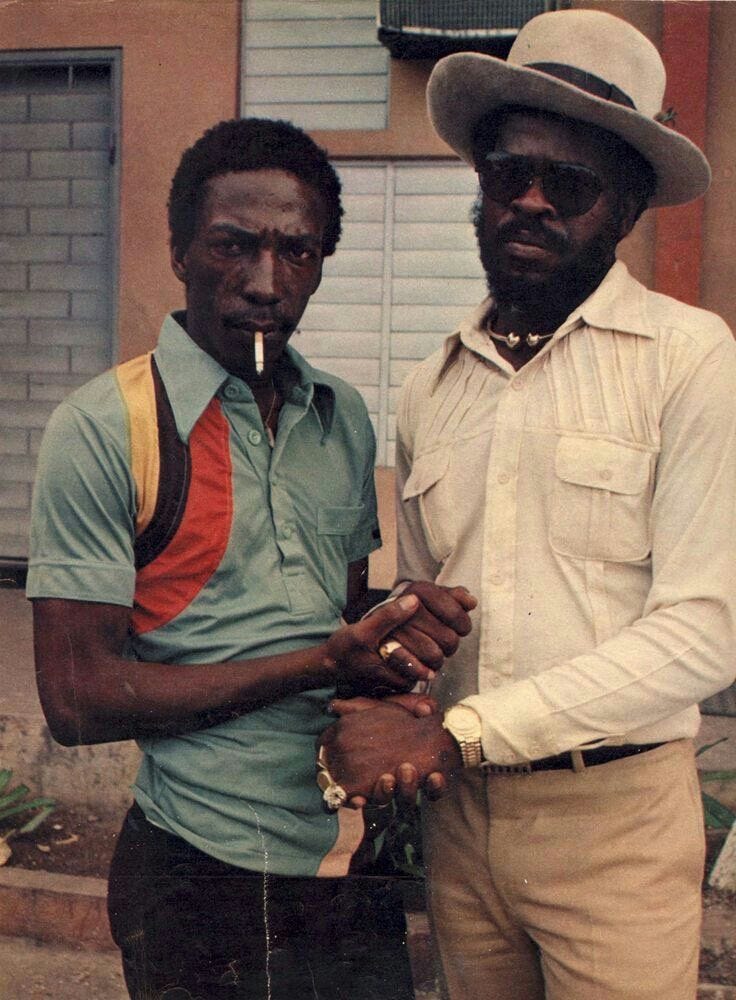
Claude Massop was a gang leader, in this photo seen ratifying a “political truce” with another member of the mob. Massop’s gorgeous ‘70s athletic striped polo is rivaled only by the septum ring-like necklace subtly peeking out from the other man’s collar.
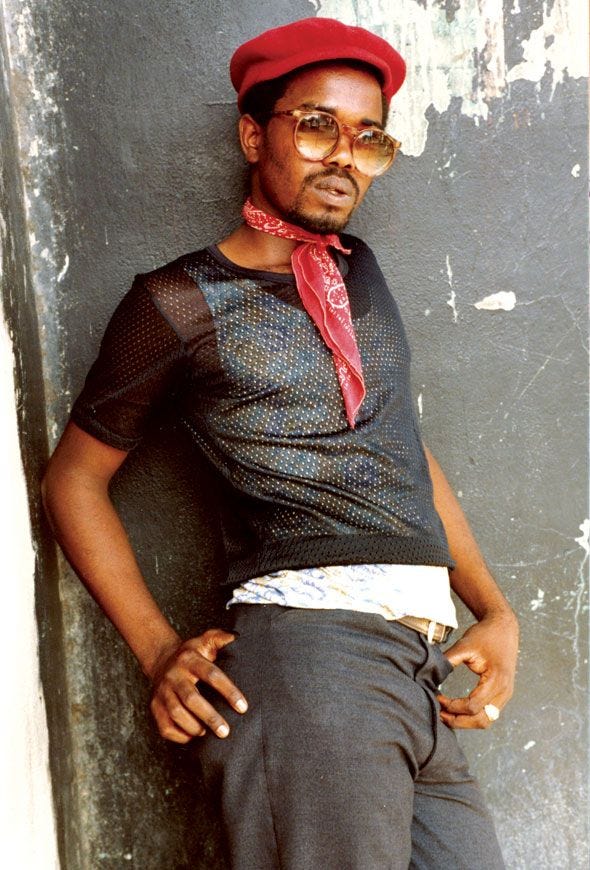
Another example of mesh shirt over white tank, this one paired with a perfect beret-glasses-scarf combo.
Izikhothane
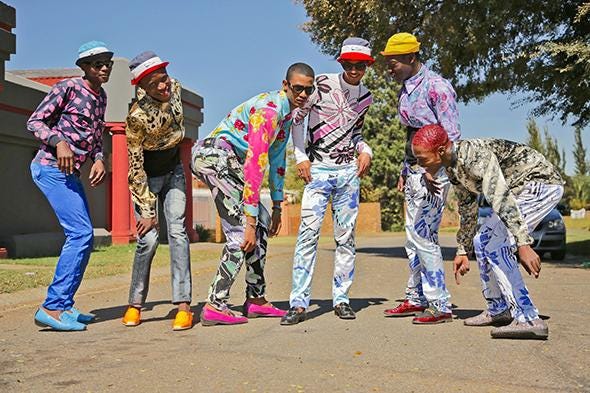
Emerging in the mid-2000s, Izikhothane is a fashion and performance-based subculture in Gauteng province, South Africa. A singular person in this subculture is called a “Skhothane,” and their style is defined by urbanity and bling, kind of a rap dandy concept.
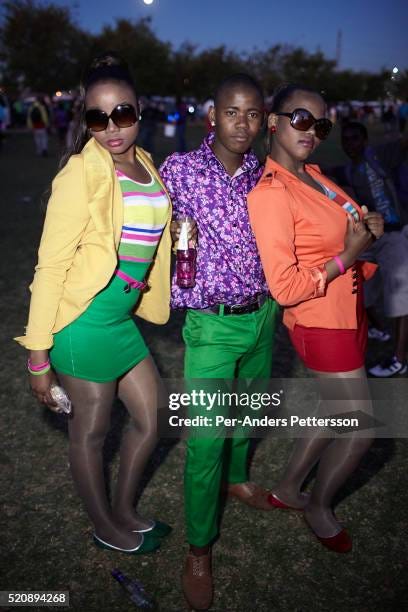
It’s a completely genderless style and, like Smarteez, recalls early 2010s hipsterism blended with a less-nerdy streetwear sensibility.
MaRock
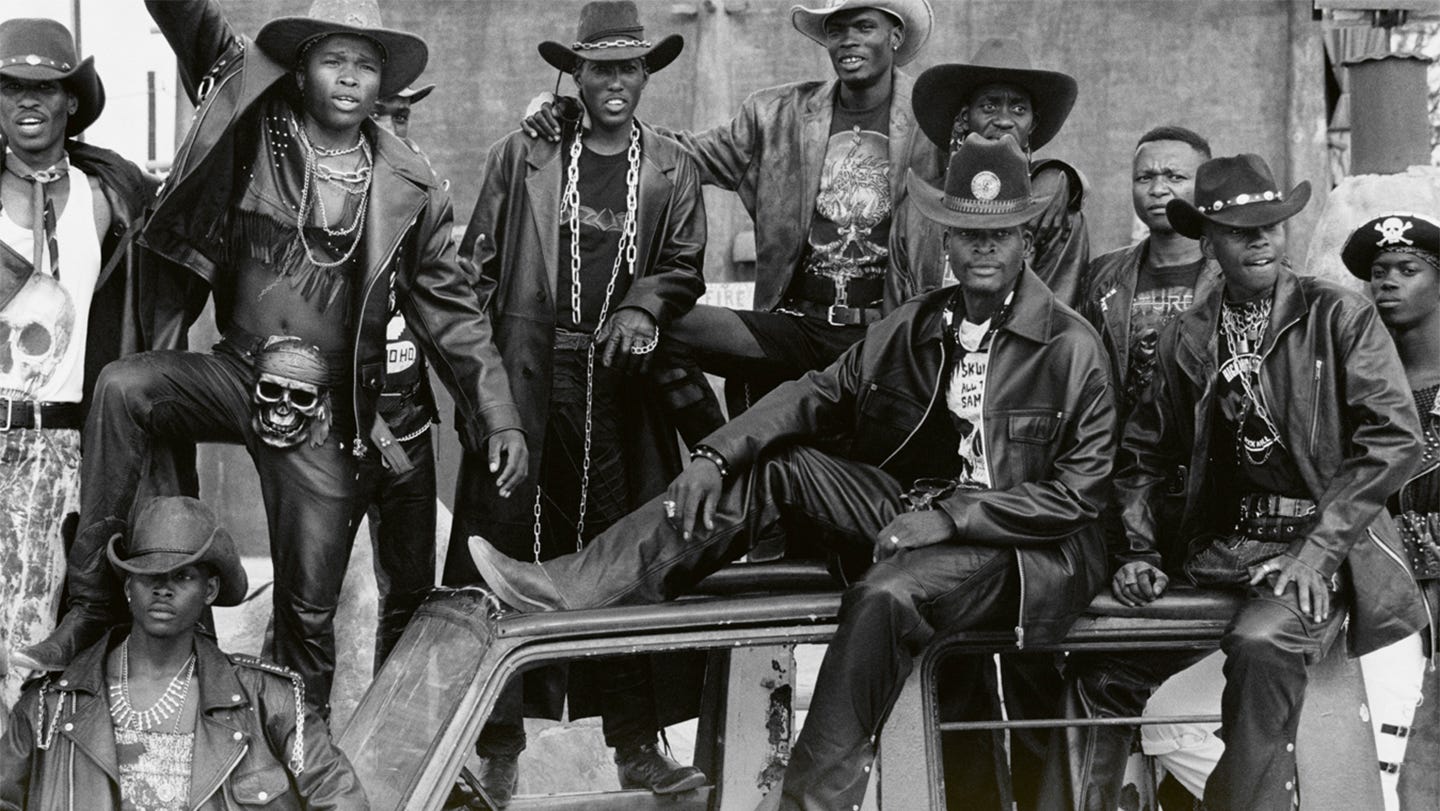
MaRock has existed since the 80s in Botswana, where an appreciation of heavy metal music and style blends with cowboy, biker, and even pirate (!!!!) aesthetics. Props are a big part of the MaRock style—apparently, “one notable fan is known as the “tea guy,” and attaches a tea set to his belt, including a teacup, plate, and spoon.” I love the industrial chains draped around necks above. It’s theatrical but demonstratively masculine, a sweet spot for inspiring me.
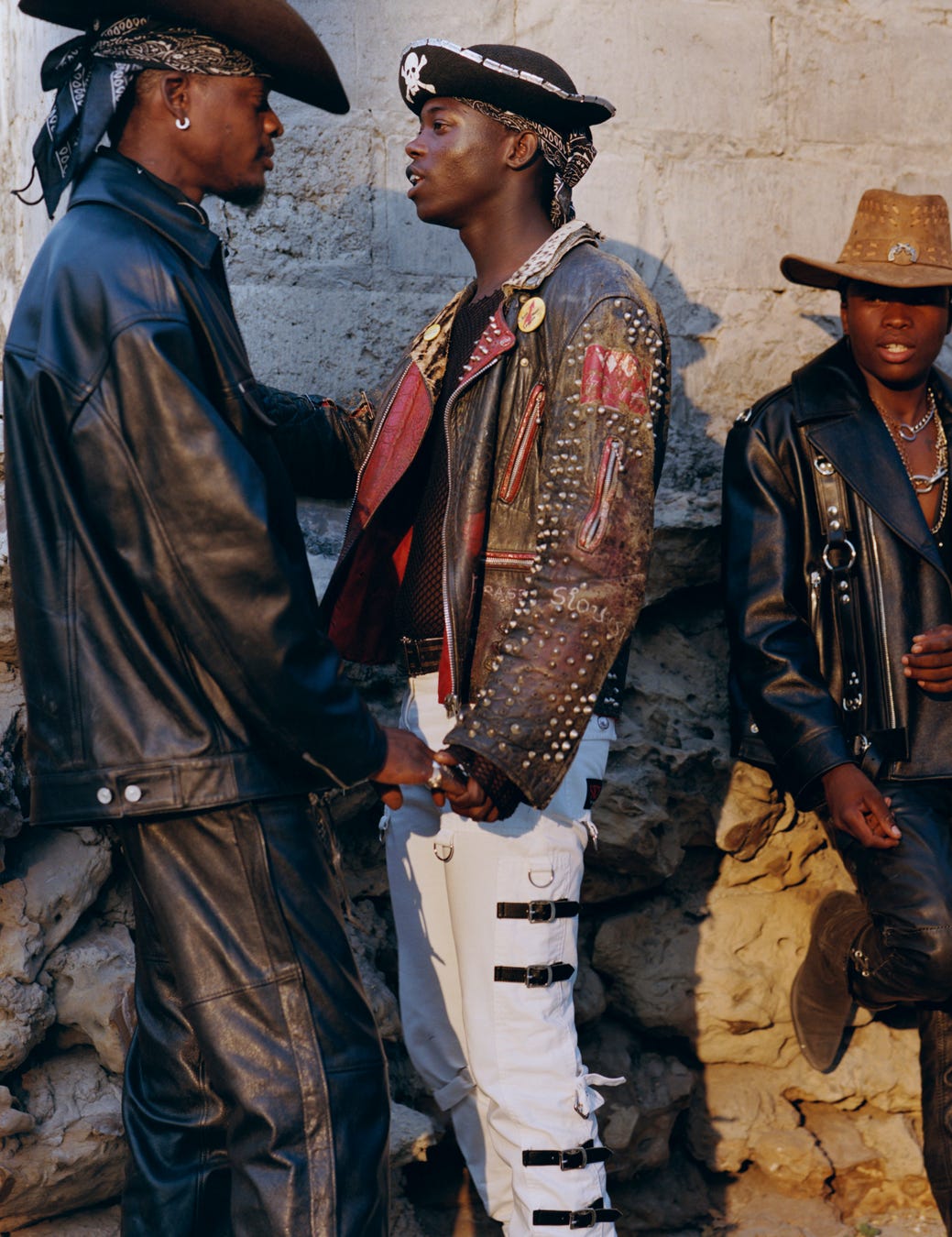
Pirate yaoi………? Plus the best studded leather jacket I’ve ever seen and some Tripp NYC-ass pants, which make me want to go crawling back to that brand with my tail between my legs.
Kwaito
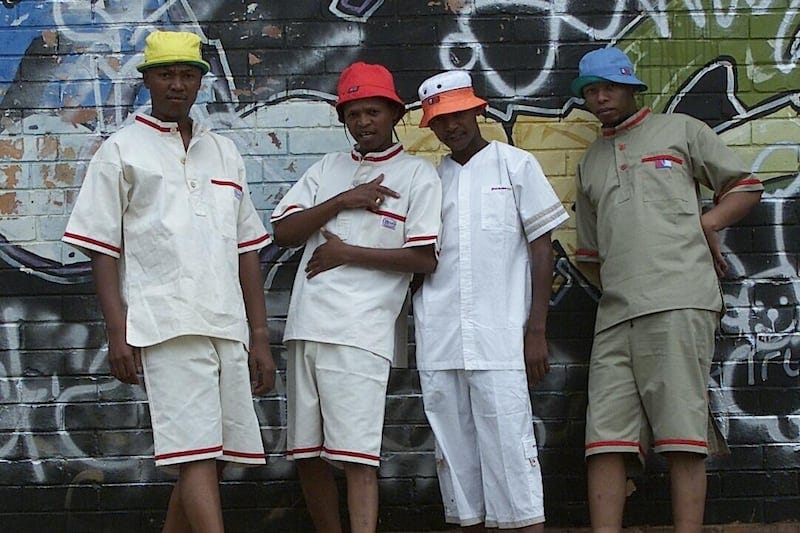
Another South African subculture grounded in a music genre of the same name, Kwaito came forward in the post-apartheid 90s and is defined by local township pride, featuring bucket hats, converse, baggy pants, and other American-influenced styles as its uniform.
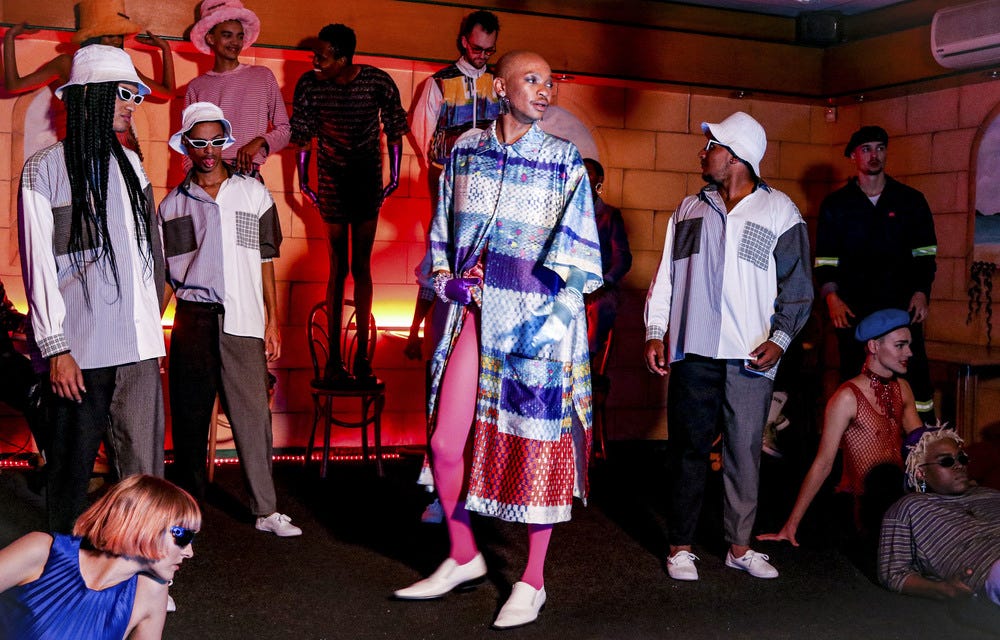
The sub-sub culture of queer Kwaito musicians, led by figures such as Mx Blouse, continues to push the aesthetic forward in a direction that prioritizes gender fluidity.
Miles Davis is his own category
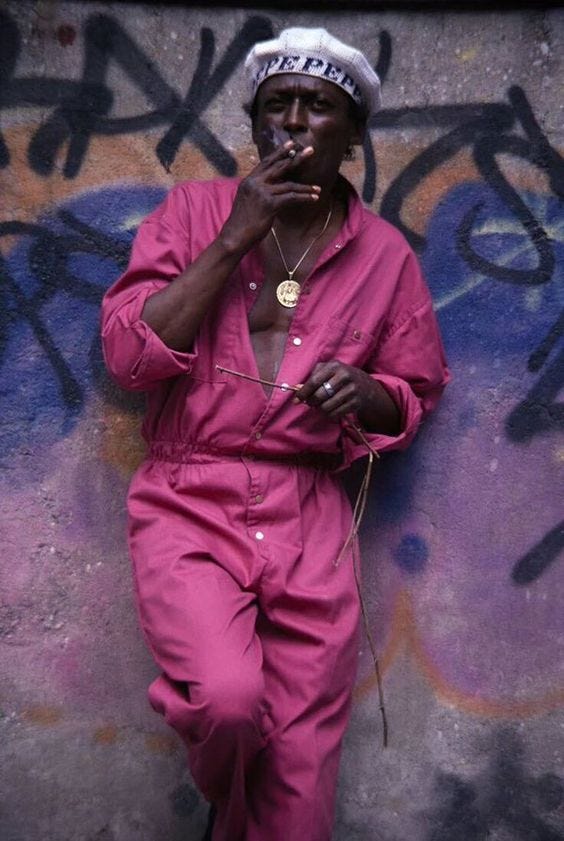
I don’t even know what I can say about him. The knit cap. The medallion-baring deep V. The perfect blue-hued shade of pink. In his time everywhere from NYC to Santa Monica, CA, Davis flawlessly synthesized reggae chill with prep picked up from Juilliard and essentially defined Jazz style with his masterful pattern mixing and careful silhouette choices.
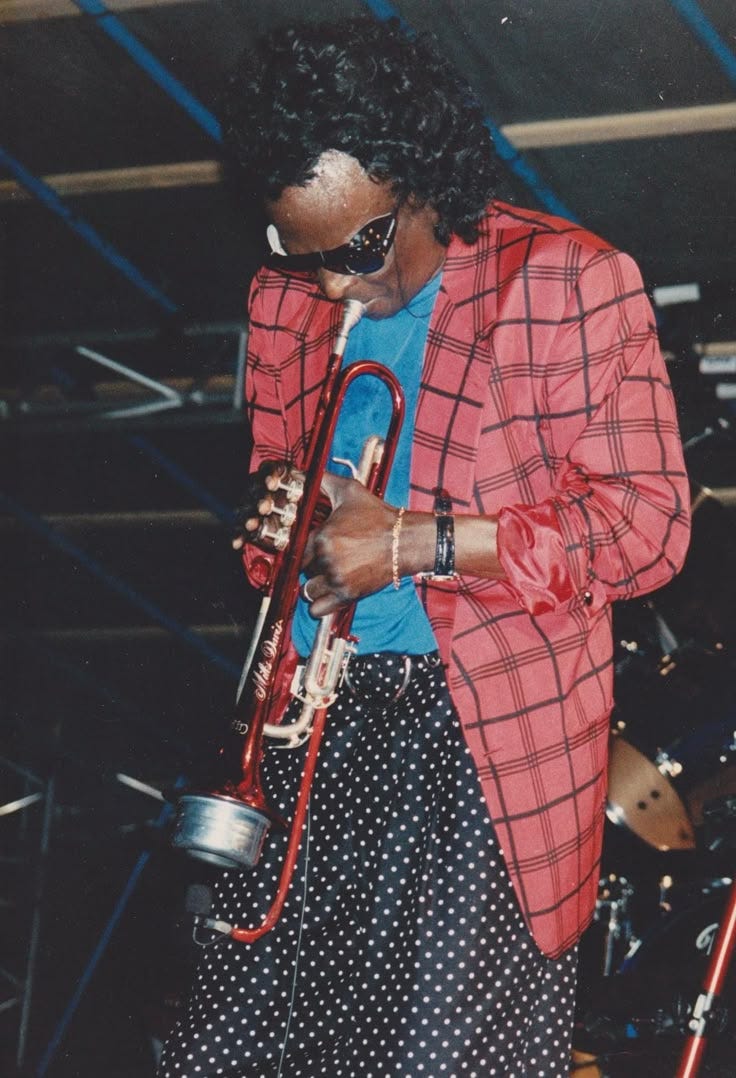
One false move and this look could have been a diabolically grandfatherly mess, but somehow, the checks and polka-dots act as checks and balances for each other while the blue keeps things a little perverse and injects a little bohemian into the otherwise preppy patterned look. Wraparound shades not optional.
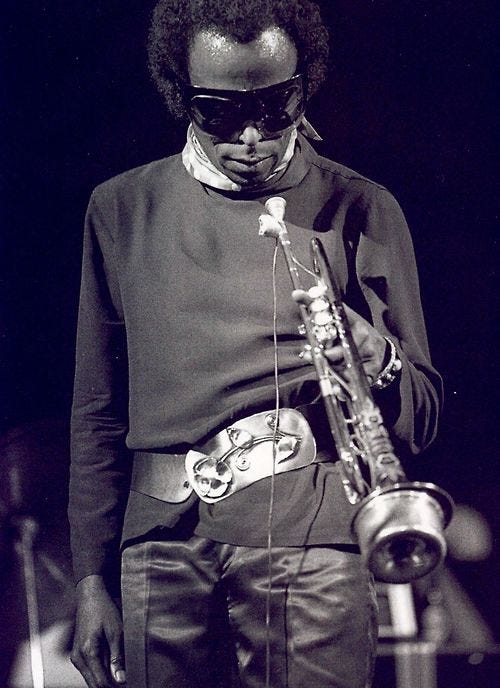
This belt brought me to my knees, especially paired with a neckerchief and more wraparound shades.
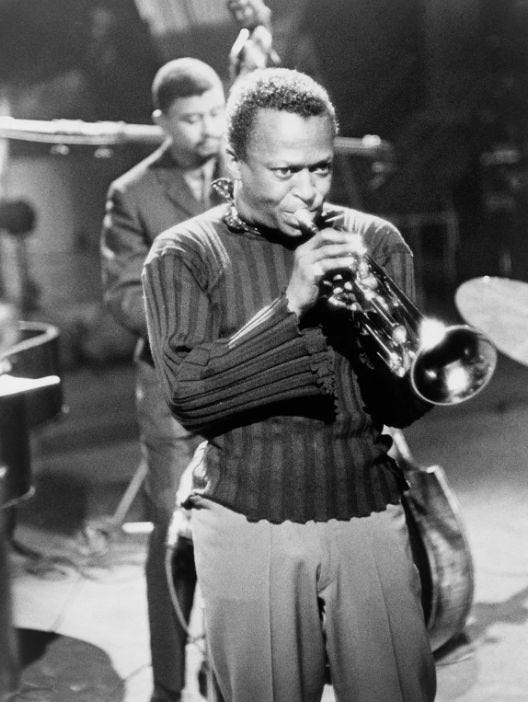
The only time a lettuce hem has EVER looked good, truly. It has to be used in a more masc context as opposed to on a babydoll tee, or else it just looks like toddler gear. These bell sleeves, however, look nothing but—and you know I hate this word—chic.
+ beyond!
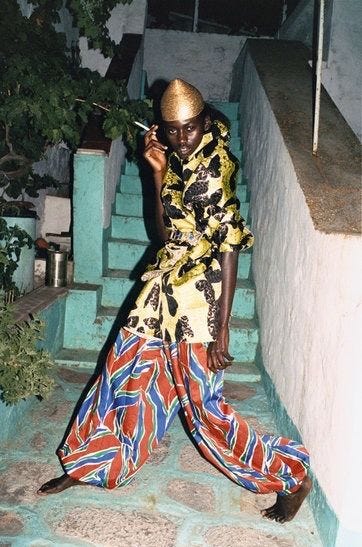
Duro Olowu is a Nigerian-British designer whose high-fashion togs are often rendered in prints that recall traditional Nigerian fabrics like Adire (indigo tie-dye), Aso-oke (hand-loomed silk/cotton), and Akwete (hand woven textile). Can you tell the above photo was shot by Juergen Teller?
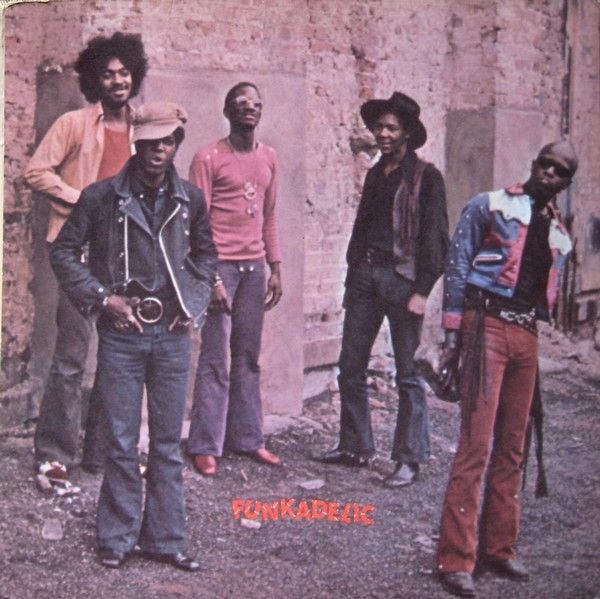
I’d like to think that Funkadelic, pioneers of 70s funk, helped inspire the above MaRock style. Lots of cowboy references: fringe, flares, huge belt buckles, plus more traditional rocker garb like moto jackets. This is my favorite Funkadelic song, if you even care (it sounds so shockingly ahead of its time, IMO).
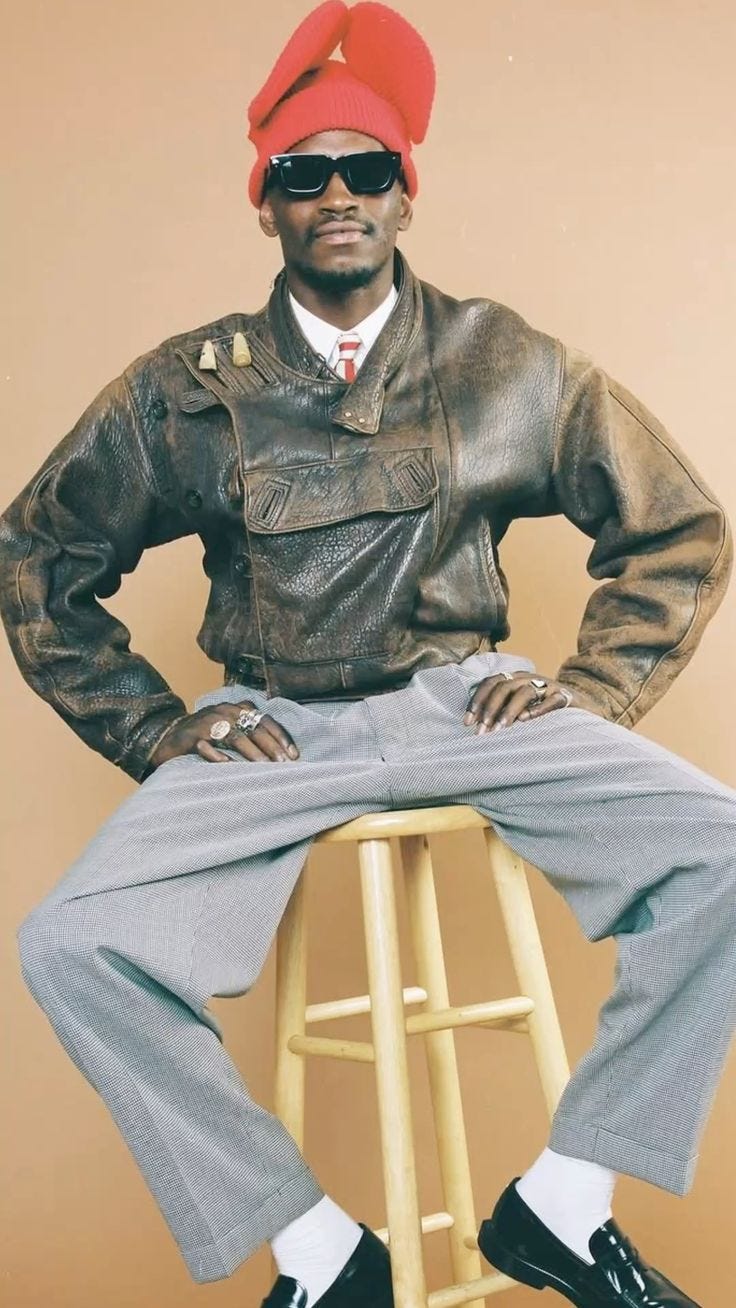
Obviously, I didn’t touch upon rap style in this post, as it’s less subculture and more driving force behind every aspect of culture nowadays, but I had to include this A$AP Nast fit with the most unique leather jacket I’ve ever seen, paired with a button-up and tie (I think the leather jacket + dress shirt combo should make more appearances in our daily lives). This look even somehow makes what seem to be Mickey Mouse ears on a beanie look cool as hell.
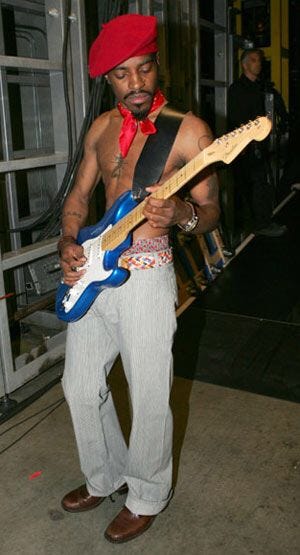
And finally, the menswear GOAT, André 3k. You can see influences ranging from dandyism to reggae to Smarteez-esque hipsterism, all perfectly coalescing into one transcendent form.
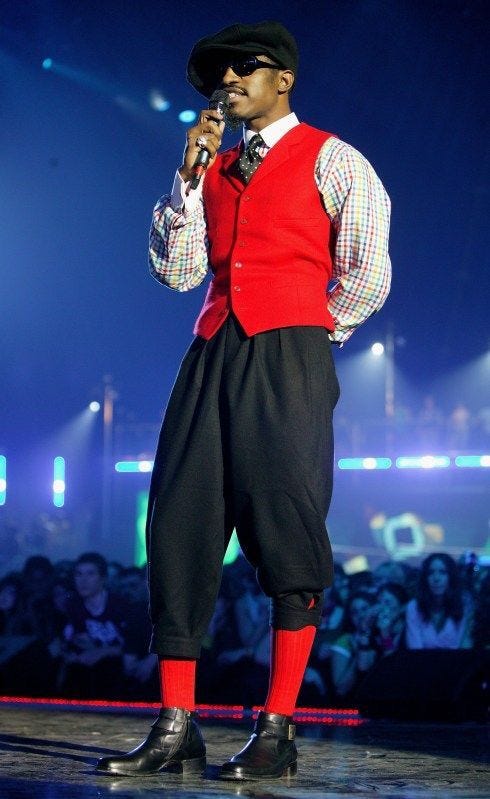
Every time we try to bring bloomers back, they’re the sexy, feminine, boudoir type—I think André makes a case here that we should be Little Lord Fauntleroy-ing our way around town in longer breeches that punctuate matching vest and sock combos.
I would LOVE to hear about any other Black menswear subcultures that inspire you in the comments or via DM! Thanks for being here today.
<3 ESK
Em, you did it again!!! EXTREMELY INSPIRING POST!!!!! Too much beauty and style in a single missive.
Damn, that was a fine article, full of absolutely fly gentlemen‘s fashion, Esque!💕 I’m inspired and can’t wait to show these to my guy.🤘 I think you know we both love going Full Pirate or Cowboy! Thank you!